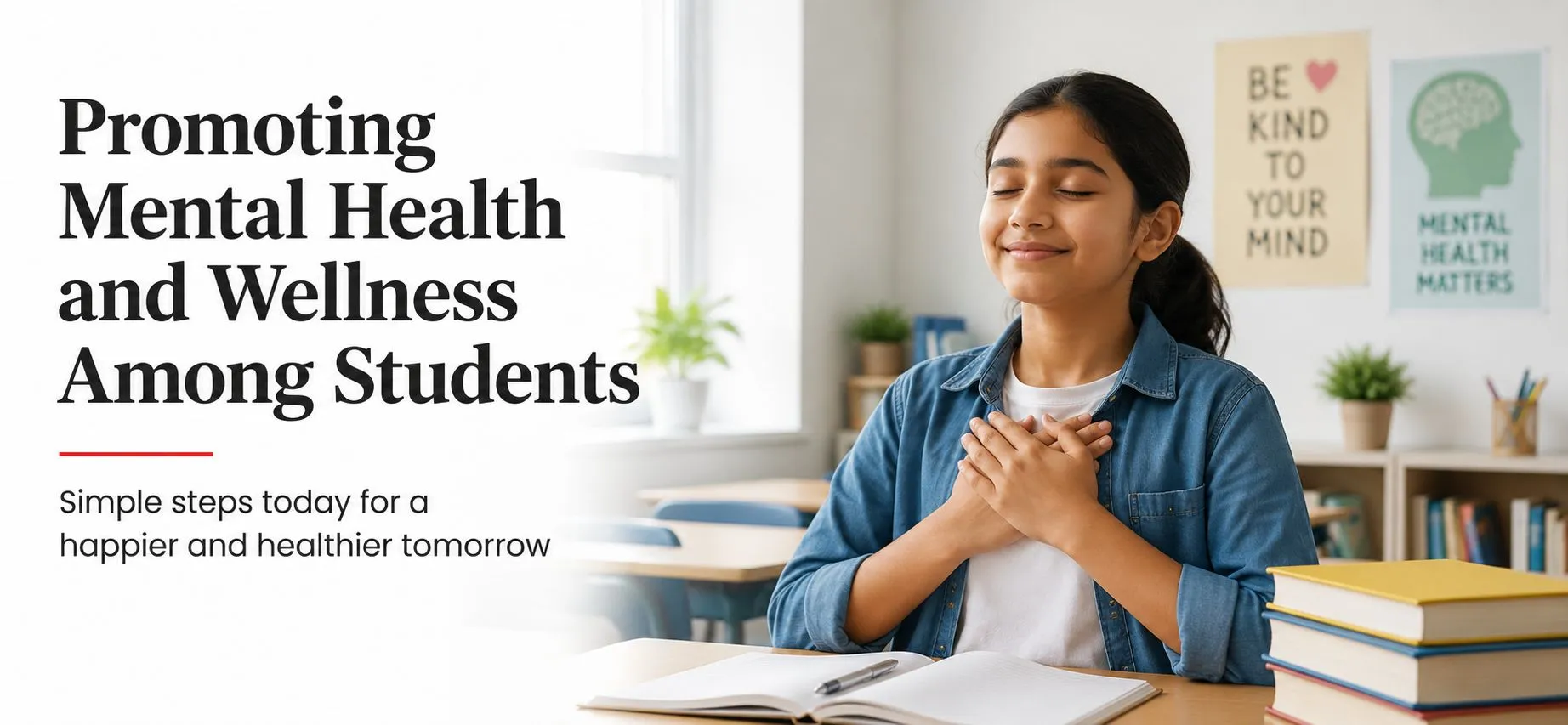
Mental health has become one of the most important parts of student life today. Children and teenagers face pressure from studies, exams, social media, competition, family expectations, and personal challenges.
Many students silently deal with stress, anxiety, loneliness, fear, and emotional pressure at a young age. Experts believe schools and families should focus not only on marks and academic success but also on the emotional well-being of students.
A mentally healthy student feels more confident, focused, creative, and motivated. Good mental health helps students build strong relationships, manage pressure, solve problems, and perform better in daily life. When students feel emotionally safe and supported, they learn better and enjoy school life more.
Why Mental Wellness Matters for Students
Mental wellness affects how students think, behave, learn, and communicate with others. Poor mental health can reduce concentration, affect sleep, lower confidence, and create emotional stress. Some students lose interest in studies or isolate themselves from friends and family when they feel mentally exhausted.
Experts say students often hesitate to talk openly about their feelings because they fear criticism or judgment. Parents, teachers, and friends should notice warning signs such as sadness, anger, mood swings, fear, low confidence, or sudden changes in behavior.
Common Reasons Behind Student Stress
Students face many challenges in modern life. Some common reasons behind stress include:
- Exam pressure and fear of failure
- Heavy homework and competition
- Excessive screen time and social media pressure
- Bullying and cyberbullying
- Family problems and communication gaps
- Lack of sleep and unhealthy routines
- Constant comparison with others
Experts warn that these problems can slowly affect emotional balance and self-confidence if students do not receive support at the right time.
Simple Ways to Improve Mental Health
Mental wellness improves through small daily habits. Students should sleep properly, eat healthy food, exercise regularly, and spend time with family and friends. Activities like yoga, meditation, reading, music, art, and sports help students feel relaxed and positive.
Experts also encourage students to take short breaks during study time and avoid long hours of continuous screen use. Talking openly about problems and asking for help can reduce stress and emotional pressure.
Check Special Books on Mental Health and Wellness
Role of Parents and Teachers
Parents and teachers play a major role in supporting children emotionally. Students feel stronger when adults listen carefully and guide them with patience. Experts advise parents not to put constant pressure on marks and ranks.
Teachers can help by creating friendly classrooms where students feel respected and comfortable. Appreciation, motivation, and emotional support can improve a student’s confidence and mental strength.
Importance of Positive School Environment
A positive school environment helps students feel safe, included, and valued. Schools can support mental wellness through counseling sessions, awareness programmes, life skills education, sports, creative activities, and group discussions.
Experts believe students should learn emotional skills such as stress management, communication, teamwork, empathy, and self-control from an early age.
Digital Safety and Emotional Health
The internet and social media influence student mental health in many ways. Excessive mobile use, online pressure, cyberbullying, and negative content can increase stress and anxiety among children.
Parents and teachers should guide students about safe internet use, digital balance, and responsible online behavior. Experts also suggest limiting screen time and encouraging more offline activities.
Building a Happier Future for Students
Mental health is as important as physical health. Students need care, understanding, encouragement, and emotional support to grow into confident and responsible individuals.
Families, schools, and society must work together to create a healthy and positive environment where every child feels heard, respected, and emotionally secure. When students stay mentally healthy, they become happier learners and build a brighter future for themselves and society.